
Tétine & Santé
18.05.2026
What is non-nutritive sucking?

The need to suck is an innate reflex
Non-nutritive sucking refers to the act of sucking without the aim of obtaining nutrients. This includes using a dummy, thumb or other objects such as a cuddly toy. It is different from nutritive sucking, which is directly linked to breast or bottle feeding.
Non-nutritive sucking is a reflex action in newborns that begins in utero. Babies learn to suck their thumb from the very first weeks of gestation. This reflex is vital for the child’s initial development and well-being. But it entails risks if it continues into childhood growth. We’ll explain everything!
What is the difference between nutritive and non-nutritive sucking?
Nutritive and non-nutritive sucking are two distinct behaviours in infants, each with specific characteristics and functions.
Nutritive sucking
Nutritive sucking occurs when the baby sucks for food. This complex process involves three synchronised stages:
Nutritive sucking is essential for an infant’s growth and development, as it provides the nutrients needed for good health.
Non-nutritive sucking
Non-nutritive sucking, on the other hand, does not involve the ingestion of food. It occurs when the baby sucks on a dummy, thumb or other objects. Here are its main characteristics:
Why do babies need non-nutritive sucking?
Non-nutritive sucking provides a sense of security and comfort. It also helps to regulate emotions and improve sleep. Paediatric experts consider this practice to be beneficial for the overall development of infants, in particular for motor coordination and the strengthening of oral muscles.
Non-nutritive sucking as a natural reflex in newborns
Non-nutritive sucking is an innate reflex in infants. From the first weeks of gestation, babies start sucking their thumbs in the womb. This reflex continues after birth and plays a crucial role in their early development. Newborns suck to explore their environment and soothe their need for comfort and security.
The benefits of non-nutritive sucking for emotional and physical development
Non-nutritive sucking has a number of essential benefits for babies:
Soothing and feeling safe: Sucking on a dummy or thumb gives babies a feeling of calm and protection. This helps them to relax, especially in stressful or unfamiliar situations.
Improved sleep: Non-nutritive sucking helps babies fall asleep and stay asleep for longer. It promotes a better quality of sleep, which is essential for their growth.
Development of the jaw and facial muscles: Non-nutritive sucking helps to strengthen the mouth and jaw muscles. This activity prepares infants for future oral skills such as chewing and speaking.
So sucking a thumb or dummy plays a key role in babies’ general well-being. The sucking action supports them in their emotional and physical development, while helping them to manage stress and improve their sleep. However, this practice should not be maintained for too long otherwise it may cause problems.
What are the risks of prolonged non-nutritive sucking?
The impact of non-nutritive sucking on dental health
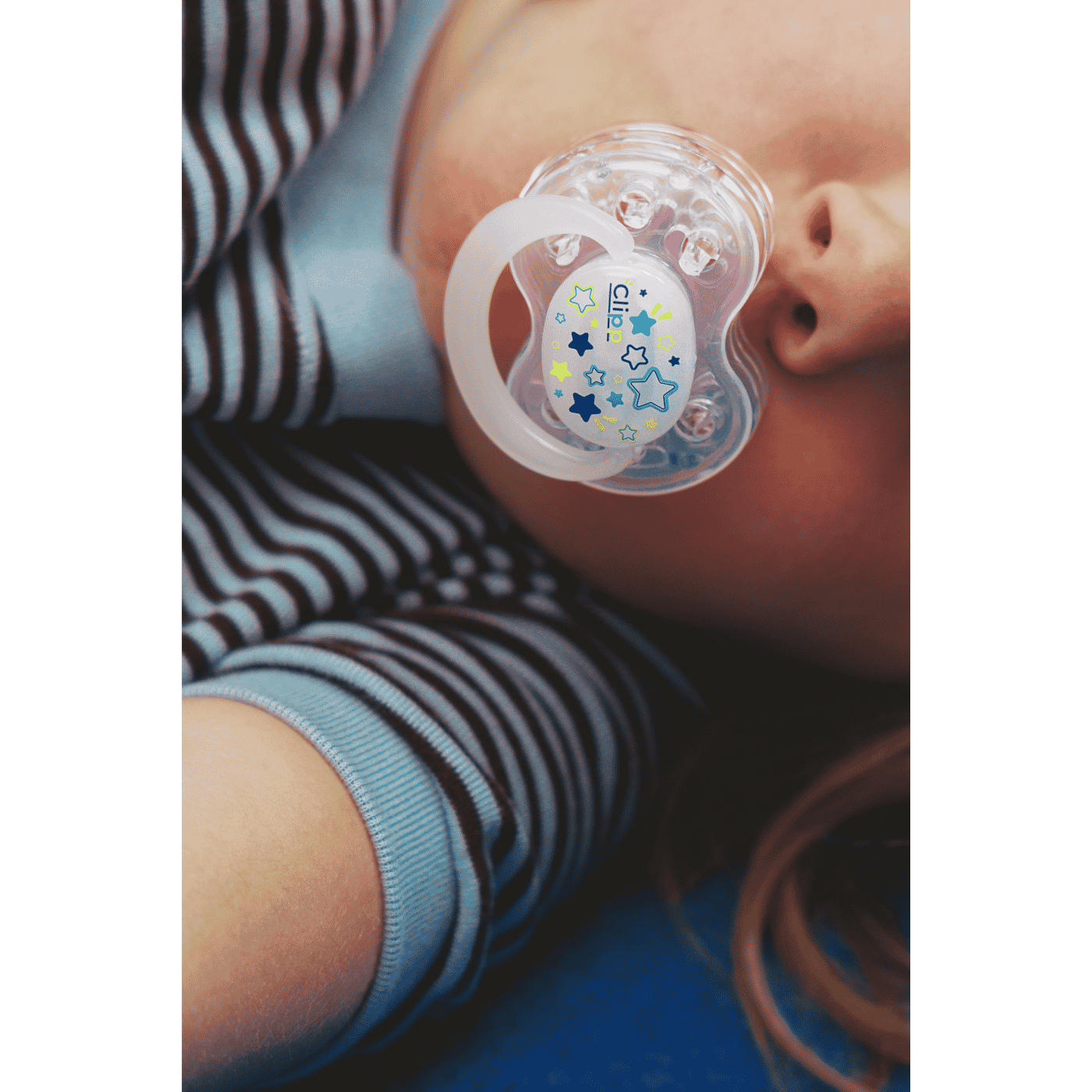
Prolonged non-nutritive sucking can cause dental problems in children. Dental malformations may occur if they suck their thumb or a dummy after the age of three. Teeth can shift, creating alignment and bite problems, sometimes requiring orthodontic treatment at a later date.
The risks of dummy addiction
Non-nutritive sucking can become a habit that is difficult to break if it goes on for too long. Children can become dependent on dummies to calm themselves down or fall asleep. This dependence can complicate the weaning process and lead to conflict and frustration for both children and parents.
The possible effects of non-nutritive sucking on speech development
Prolonged use of a dummy or thumb sucking can also affect speech development. Toddlers who continue to suck after the age of three may develop language delays or pronunciation difficulties. Prolonged sucking can interfere with the movements needed to articulate sounds correctly.
To prevent all these complications, it is important to monitor dummy use and encourage children to gradually give up their dummy habit.
How can you help your child wean off non-nutritive sucking?
Non-nutritive sucking is a natural and beneficial behaviour for infants, but it must be regulated to avoid long-term risks.
Here are a few tips to help your child wean themselves off non-nutritive sucking:
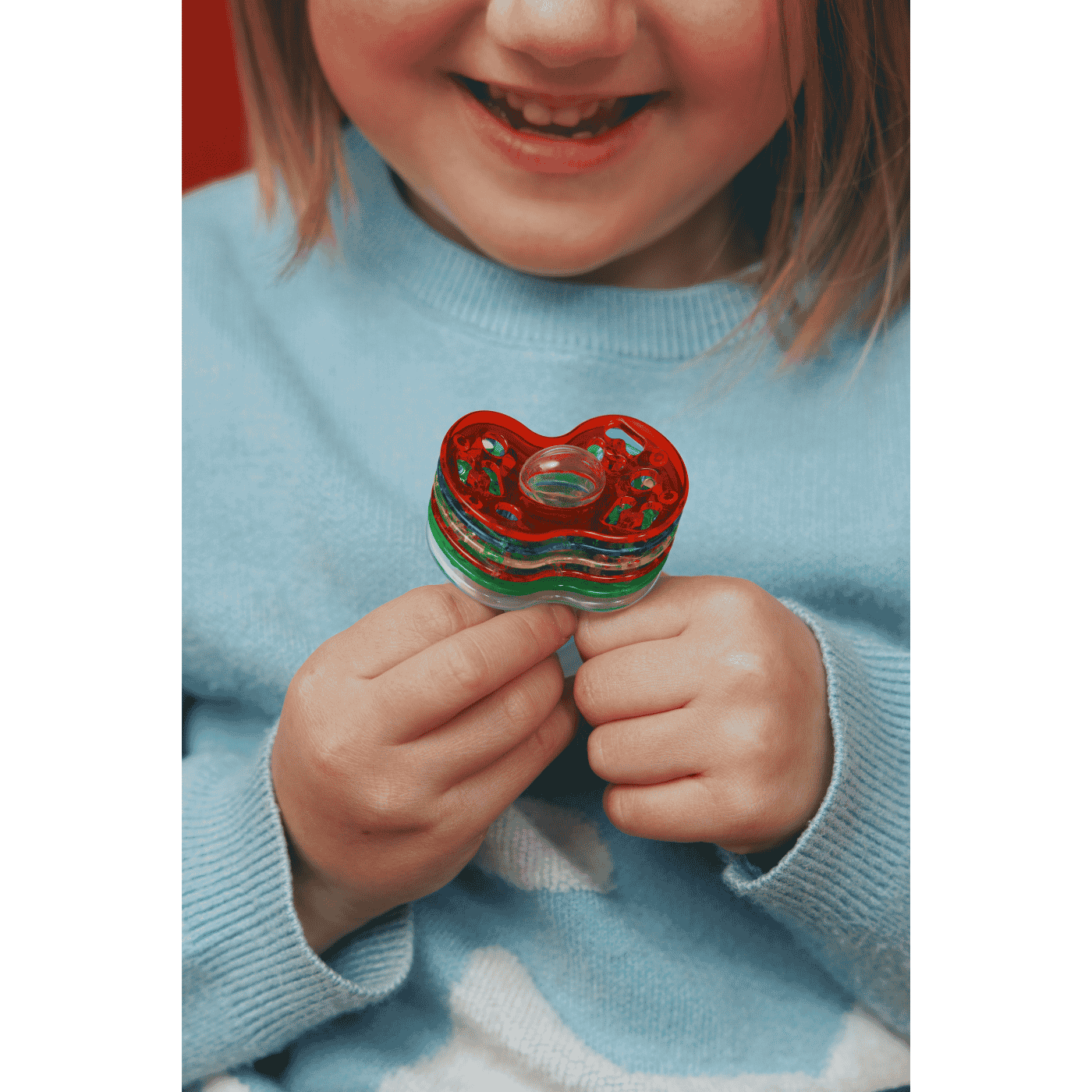
The Clipp weaning dummy can obviously be a great help and support in this big step. Its 5 clip-on shields make sucking increasingly difficult for children, who will consequently abandon their dummy of their own accord.
View our different models!